About Parchai (An Initiative by ASV LEGAL)

A Structured Approach to Access and Assistance

Parchai (An Initiative by ASV LEGAL) is an initiative within ASV Legal LLP, developed from the recognition that, although the law is firmly established in principle, it does not always translate with the same clarity in practice. It arises from the necessity of engaging thoughtfully with this disparity whilst maintaining the discipline and rigour inherent in legal practice.

The approach remains cautious and deliberate. Each matter is addressed with meticulous care, not only to comprehend the legal stance but also to contextualise it appropriately. The work is guided by clarity of thought, restraint in action, and a commitment to professional responsibility that is neither exaggerated nor understated but consistently upheld.

ASK A LAWYER

We Provide Solid Law Practice

Constitutional Foundations

The Framework of Fundamental Rights

The Constitution of India guarantees a set of fundamental rights as enforceable protections, forming the core of individual liberty, equality, and dignity within the legal system. These rights are not merely declaratory, but capable of direct enforcement through constitutional remedies.

The principal rights are delineated as follows:

Right to Equality (Articles 14–18):

Ensures equality before the law and equal protection under the law. It prohibits discrimination based on religion, race, caste, sex, or place of birth, and guarantees equality of opportunity in matters of public employment.

Right to Freedom (Articles 19–22):

Grants certain freedoms, including speech and expression, peaceful assembly, association, movement, residence, and profession, subject to reasonable restrictions. It also provides safeguards regarding conviction for offenses, protection of life and personal liberty under Article 21, and procedural safeguards against arbitrary arrest and detention.

Right against Exploitation (Articles 23–24):

Prohibits trafficking in human beings, forced labour, and the employment of children in hazardous occupations.

Right to Freedom of Religion (Articles 25–28

Guarantees freedom of conscience and the right to freely profess, practise, and propagate religion, along with the autonomy of religious denominations in managing their affairs.

Cultural and Educational Rights (Articles 29–30):

Protects the rights of minorities to conserve their language, script, and culture, and to establish and administer educational institutions of their choice.

Right to Constitutional Remedies (Article 32):

Provides the right to approach the Supreme Court for the enforcement of fundamental rights, a provision regarded as the cornerstone of the constitutional framework. Similar jurisdiction is exercised by High Courts under Article 226.

These rights derive their full significance not only from their recognition in the Constitution but also from their effective enforcement. Their realization depends upon the ability to access legal processes and invoke constitutional protections in appropriate forums.

AREAS OF PRACTICE

Practice Areas within a Pro Bono Framework

Clients Stories

Our Lawyers

A Passion For Justice

Apoorv Agarwal

Co-founder of parchai (An Initiative by ASV LEGAL)

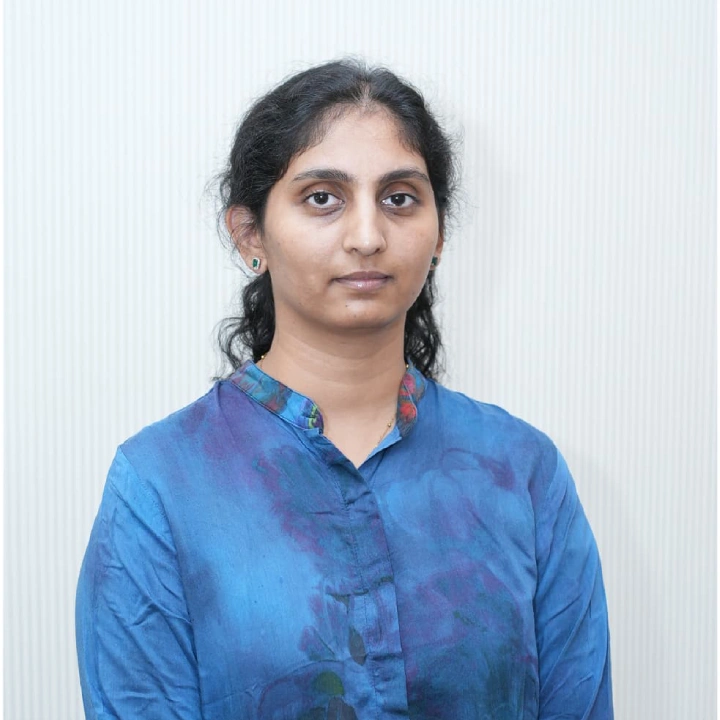
Surbhi

Co-founder of parchai (An Initiative by ASV LEGAL)

Our Articles

Discover A Better Way Of Redefining Company

In today’s fast-evolving business landscape, redefining your company is essential for staying competitive and achieving long-term success.

A World Class Packaging Team, Built for You

Our world-class packaging team is dedicated to delivering innovative, high-quality solutions tailored to your business needs. 

A World Class Packaging Team, Built for You

Our world-class packaging team is dedicated to delivering innovative, high-quality solutions tailored to your business needs. 

Need Help? Let’s Get in Touch

To Top